rspca

Active investigations: Why less is better

Animals Dogs Queensland Law Adoptabull Article taken from The Biscuit magazine Posted Dec 12, 2025
Active investigations require silence to protect integrity and prevent misinformation.

At RSPCA Queensland, we understand the public’s concern for updates on cruelty or neglect cases. However, during active investigations, less is better.

We are frequently asked to provide details about ongoing cases, whether they involve RSPCA Queensland or other authorities such as the Queensland Police or Government Departments. While transparency is important, there are critical reasons why we keep communication minimal during these times.

We operate within strict legal frameworks and respect the processes of other agencies. Speaking out before an investigation concludes could breach these obligations and undermine collaborative efforts.

Our commitment is to the welfare of animals and the integrity of the justice process. Limiting public commentary during active investigations is not about secrecy, it’s about doing what’s right to achieve the best possible outcome.

While transparency matters, commenting too early can jeopardise investigation outcomes or court proceedings.

Animal welfare is at the very core of what we stand for at RSPCA Queensland. Like concerned members in the community, our charity is made up of caring humans who are also outraged and saddened when there are cases of animal abuse, neglect and suffering. But in all areas of our work, we must abide by proper process to ensure the best outcomes for animals and people.

Once an investigation and related court proceedings are finalised, we are better positioned to provide comment on the investigation.

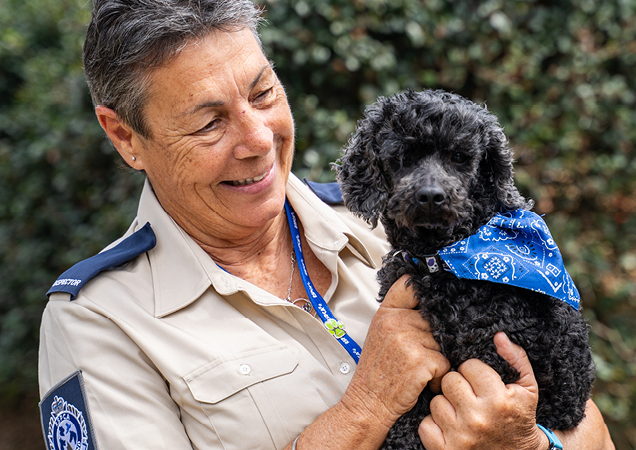
RSPCA Inspector with white dog.

Why doesn’t RSPCA Queensland comment on active investigations?

We do not comment on active investigations for two key reasons:

  • Investigations must remain confidential to protect the integrity of the process and ensure evidence is not compromised.
  • Early commentary can lead to misinformation or assumptions before all facts are established. Our role is to support the investigation and ensure the best possible outcome for animal welfare, not to influence or prejudice proceedings.

RSPCA Inspector with black puppy.

Why doesn’t RSPCA Queensland publicly comment on individuals charged with animal cruelty?

RSPCA Queensland does not make public statements about specific offenders during legal proceedings because doing so can interfere with the integrity of the justice process. Courts must ensure that decisions are based on evidence and law, not public opinion or external pressure.

Litter of puppies.

Isn’t it important to show strong condemnation of cruelty?

Absolutely. RSPCA Queensland strongly condemns all forms of animal cruelty and advocates for tougher laws and penalties. However, we focus our public messaging on prevention, education, and systemic reform rather than commenting on individual cases. This approach ensures that legal outcomes remain fair and evidence-based.

What happens if there is a lot of media attention or public commentary, including on social media?

Extensive media coverage and public commentary can sometimes have unintended consequences. If the court considers that the accused has already suffered significant personal harm, such as reputational damage or distress caused by widespread publicity, this can be treated as a mitigating factor during sentencing. This concept is known as extra-curial punishment and can also be referred to as ‘trial by media’, meaning punishment outside the formal court process. In some cases, this can lead to a reduced sentence.

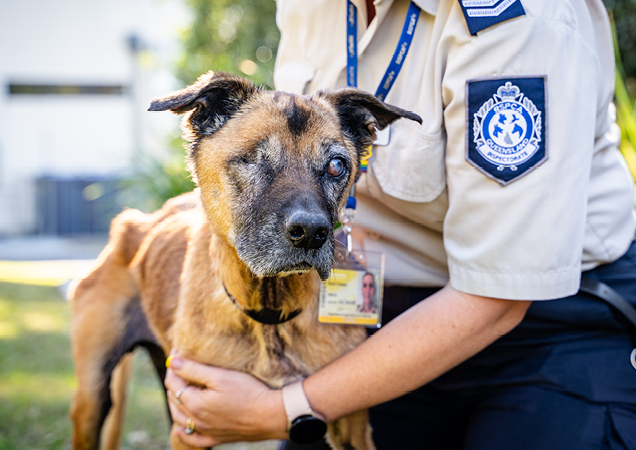
RSPCA Inspector with emaciated brown dog.

What is extra-curial punishment?

Extra-curial punishment refers to harm or hardship experienced by an accused person outside of the official legal process, such as public shaming, loss of employment, or reputational damage. Courts may take this into account when deciding on a sentence, as the law aims to avoid punishing someone twice for the same offence.

How does RSPCA Queensland advocate for change if it doesn’t speak out on individual cases?

We work actively with government and stakeholders to strengthen animal welfare laws, increase penalties, and improve enforcement standards. Our advocacy focuses on systemic change to ensure long-term improvements for all animals.

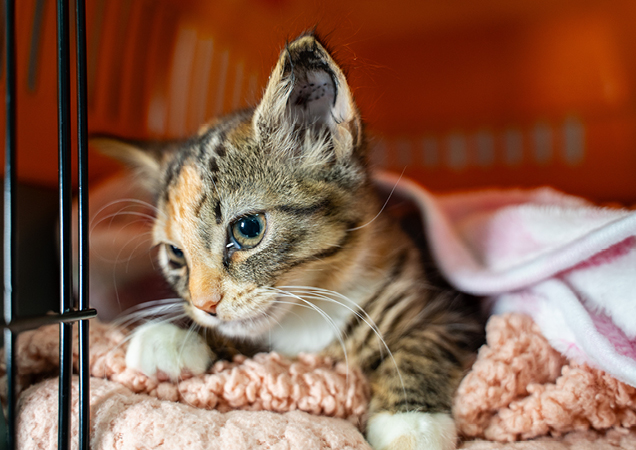
Tabby cat.

Where can I find updates or learn more about RSPCA Queensland’s advocacy work?

You can visit our website and follow our social media channels for updates on campaigns, law reform efforts, and educational resources.

How can I help?

Our Inspectorate only need one first-hand witness to report animal cruelty or welfare concerns for RSPCA Queensland to commence an investigation. If you come across online bullying, harassment or naming of alleged offenders, do not engage. You could be inadvertently causing extra-curial punishment. To report an animal welfare concern, call our 1300 ANIMAL hotline, or report online.

RSPCA QLD
Share this article
Find the perfect pet